



Bali Surfing Spots: Beyond the Basics
Wright VacayAh, Bali – that wave-whispering isle where turquoise barrels crash against volcanic cliffs, and every swell tells a story of adventure and adrenaline. Bali is renowned as a surfing mecca, drawing surfers from around the globe to its legendary breaks and diverse surf spots that cater to all skill levels. As a salty-haired nomad who’s chased sets from Portugal’s Nazare to Hawaii’s Pipeline, I’ve found surfing in Bali to be a siren call that’s hard to resist, blending world-class breaks with a cultural vibe that turns every session into a soul-stirring ritual. If you’re past the beginner’s foam in Kuta and ready to tackle the real gems of surfing Bali, this guide ventures beyond the basics, spotlighting spots that demand respect, skill, and a dash of daring. Whether you’re an intermediate carving your first barrels or an advanced rider hunting perfection, surfing in Bali offers a mosaic of reef breaks, point waves, and hidden coves that evolve with the seasons. Drawing from my own paddles through crowded lineups and solitary dawns, I’ll share actionable insights to help you score epic rides while navigating tides, crowds, and local etiquette. Forget the crowded schools; let’s dive into the advanced allure of surfing Bali, where the ocean’s rhythm syncs with the island’s heartbeat.
Table of Contents
Why Bali Excels for Advanced Surfing
Surfing in Bali isn’t just about the waves; it’s an immersion in a surfer’s utopia shaped by consistent swells, warm waters, and warm water that make every session comfortable and inviting. The island’s position on the Indian Ocean’s edge funnels southern hemisphere swells year-round, creating a playground for those who’ve graduated from gentle beach breaks. Advanced riders flock here for the variety: From hollow barrels over shallow reefs to long, peeling points that allow for endless maneuvers, Bali offers amazing waves and the chance to find your perfect wave at almost every break. What sets surfing Bali apart is the blend of challenge and charm – imagine dropping into a double-overhead set at dawn, then refueling with a nasi goreng at a clifftop warung. In 2025, with tourism rebounding, spots remain accessible yet rewarding for those willing to explore beyond the obvious, and the best waves are still waiting for those who seek them.
If this has been useful, Bali travel info is probably the next one to bookmark. It stays in the same lane but goes harder on the practical side — what to actually do, in what order, and what tends to go sideways when travellers do it the obvious way. Reading them back to back gives you a clearer picture than either of them does alone.
For intermediates stepping up, Bali’s breaks build confidence with forgiving sections amid demanding conditions, while pros chase perfection in contests like the Rip Curl Cup at Padang Padang. Safety is paramount; reefs are sharp, currents strong, and crowds can be intense, so local knowledge is gold. My tip: Hire a seasoned guide for your first sessions – they’ve saved me from wipeouts and shared secret spots. Ultimately, surfing in Bali rewards preparation, respect for the lineup, and an open mind, turning potential frustrations into unforgettable tales.
Iconic Advanced Surfing Spots in Bali
Venturing into the heart of surfing Bali means targeting the Bukit Peninsula and beyond, where waves demand precision and reward boldness. Bali surf spots are renowned for their diversity, offering advanced surfers a wide range of challenging surf spots in Bali. These spots cater to intermediate-advanced levels, with conditions varying by tide and swell, and for those willing to explore, there are always more waves to discover at each unique surf spot.
Whilst we're on the topic, a Bali travel guide is worth opening in a second tab. It picks up where this piece leaves off and goes a layer deeper on the same theme — same kind of travellers, similar questions, just a slightly different angle. If you came to this article looking for one specific answer and ended up with three more questions, that next read tends to be where most of them get resolved without sending you on a chase through unrelated material.
Uluwatu: The Crown Jewel of Reef Breaks
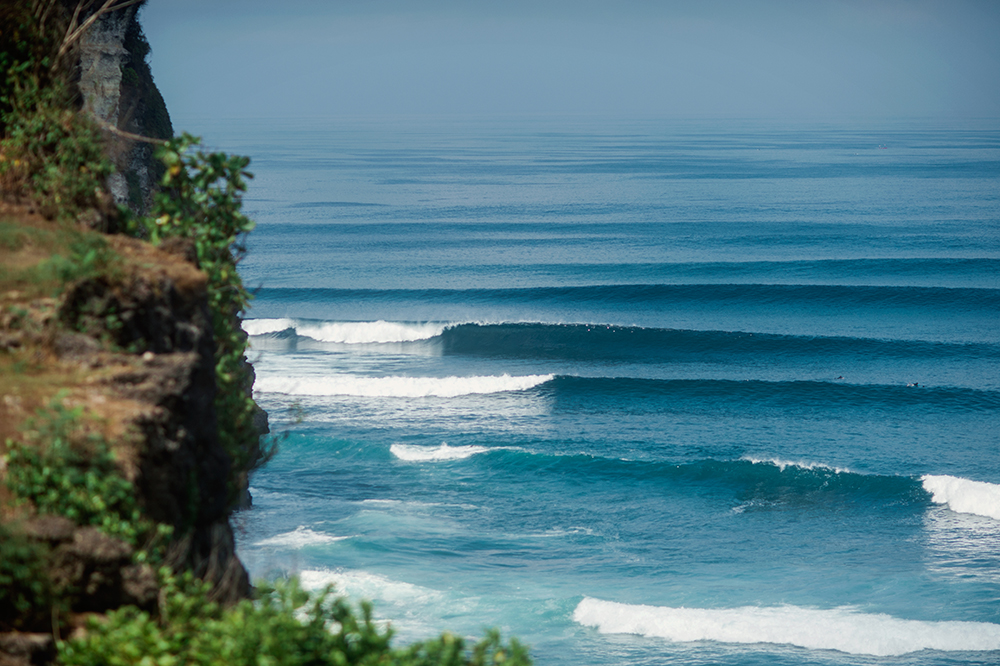
Perched on Bali’s southern tip, Uluwatu reigns as the pinnacle of surfing in Bali for those craving powerful, consistent left-handers over coral reefs. This multi-section break – Temples, Racetracks, The Peak, and Outside Corner – is set on a wide reef, creating multiple sections and peaks that offer a choose-your-own-adventure, with waves ranging from 3-12 feet. Intermediates can hone turns at Racetracks’ speedy walls, while advanced surfers tackle the barreling Outside Corner on big swells. From my cliffside perch during a pumping south swell, I’ve watched locals carve flawless lines, the turquoise tubes framed by ancient temples.
Access involves descending limestone stairs to a cave entrance – a dramatic paddle-out that adds to the mystique. Crowds peak in dry season, so dawn patrols are essential; I’ve scored uncrowded sessions by arriving pre-sunrise. Tides matter: Mid to high for safer entries, low for hollower rides, but beware the sharp reef, especially at low tide when the waves are most challenging and only expert surfers should attempt it. Actionable insight: Respect the pecking order – locals dominate, so observe before dropping in. Post-surf, climb back for warung views; it’s where stories swap over Bintangs.
Padang Padang: Barrel Hunters' Paradise
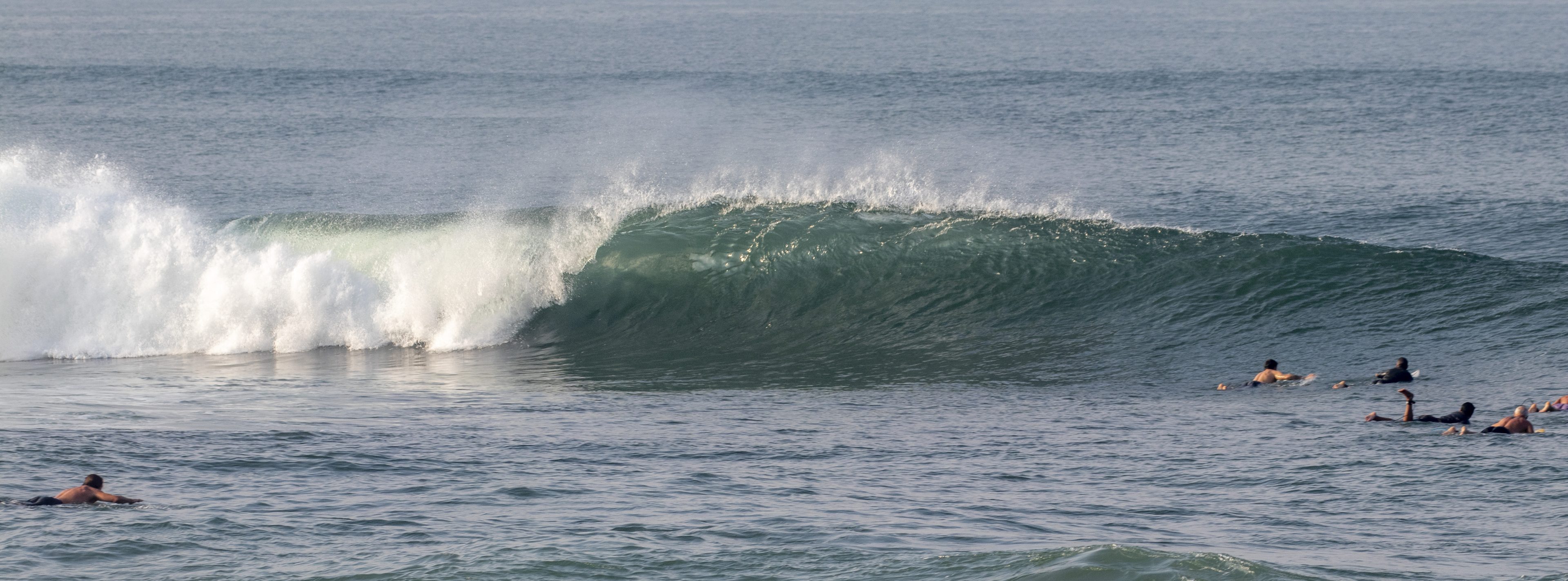
Nestled in a cove on the Bukit, Padang Padang is surfing Bali’s ultimate test for barrel aficionados, famed for its heavy left-hand tube that only awakens on a bigger swell. The reef bottom shapes a powerful breaking wave, making this reef break demand commitment: A steep takeoff into a sucking barrel over shallow coral, rewarding with rides that feel eternal. Intermediates might find the rights more forgiving – a mellow peel for practicing bottom turns – but the left is pro territory, as seen in annual contests drawing global talent.
Whilst we're on the topic, Top Spots to Explore is worth opening in a second tab. It picks up where this piece leaves off and goes a layer deeper on the same theme — same kind of travellers, similar questions, just a slightly different angle. If you came to this article looking for one specific answer and ended up with three more questions, that next read tends to be where most of them get resolved without sending you on a chase through unrelated material.
I’ve timed visits for overhead days, paddling from the beach channel to avoid the keyhole entry’s crowds. The vibe is intense yet welcoming; share waves, and you’ll earn nods from regulars. Hazards include sharp reefs and strong currents, so leashes and booties are musts. For 2025, with eco-initiatives, expect cleaner lineups – join beach clean-ups to give back. Pro tip: Check swell forecasts via apps like Magicseaweed; aim for mid-tide pushes for optimal shape, and fuel up at nearby cafes with acai bowls for that post-barrel buzz.
If you’re a beginner, consider heading to Baby Padang nearby, which features a reef bottom and more accessible left and right-breaking waves perfect for learning.
Canggu: Versatile Waves for Progression
Canggu has evolved from a sleepy village to a surfing Bali hotspot, offering beach breaks that bridge intermediate and advanced skills. Spots like Batu Bolong, a hipster's paradise, deliver long rights with sections for cutbacks and airs, and its sand bottom makes it especially popular among beginners. Echo Beach’s punchy lefts challenge with faster walls on bigger days. The black-sand shores create a dramatic canvas, and the area’s hip cafes make it a lifestyle hub.
During my extended stays, I’ve appreciated Canggu’s consistency – swells from 2-6 feet suit progression, with less intimidating reefs than Bukit. Crowds swell with digital nomads, so early mornings or late afternoons yield space. Intermediates, start at Old Man’s for forgiving waves and easy access; advanced, hunt Rivermouth’s peaks. Actionable: Rent boards locally for variety – funboards for mellow days, shortboards for punchy ones – and join yoga sessions to limber up, enhancing your surfing in Bali endurance.
Speaking of which — Surfing in Bali is the natural next read after this one. It follows the same kind of thinking but tackles the bits this article doesn't have room to cover properly: the edge cases, the carrier-specific quirks, and the things you only really notice once you've actually been through the process yourself. Worth a few minutes if any of the above raised more questions than it answered.
Thanks for visiting our blog, are you planing to travel to Bali? Check out our eSIM Bali.
Keramas: Right-Hand Perfection on the East Coast
East Bali’s Keramas flips the script with its high-performance right-hander, a reef break that barrels and ramps for aerials, attracting pros like those in the CT events. Keramas is renowned for its consistent wave quality, with the swell direction playing a crucial role in determining the size and conditions of the surf. Waves break over volcanic rock, offering speed and power from 4-8 feet, with sections for snaps and tubes. I’ve surfed it at high tide for safer forgiveness, watching dolphins arc nearby – a magical touch to surfing in Bali.
Access is easy from Sanur, but currents pull strong; paddle fitness is key. During the wet season, the trade winds favor Keramas and Nusa Dua, making these east coast spots prime options for reliable surf. Fewer crowds than south, especially off-peak, make it a gem. Tip: Combine with nearby black-sand beaches for downtime; watch for sea urchins on low tides.
One you might want to come back to later is What Do Locals Speak. It's not the obvious next step, but plenty of travellers reading this kind of guide end up needing it within a week or two — usually right when they're booking flights or actually packing the bag. Skimming it now while the rest of this is fresh tends to be easier than going hunting later, and it'll save you the awkward moment of realising mid-trip that you should have thought about it earlier.
Medewi: Long Lefts for Soul Surfers
West coast’s Medewi offers Bali’s longest left, a point break peeling for up to 300 meters on good days – ideal for advanced longboarders or shortboarders practicing flow. The quality and length of the ride here are influenced by swell direction, making it important to check conditions before heading out. Mellow yet powerful, it suits intermediates building style amid rural vibes and scenic views, with white sand beaches nearby. My sessions here felt timeless, gliding through sections with cows grazing ashore.
Drive from Canggu for day trips; crowds are light. Best on mid-tides with northwest winds. Insight: Stay in local homestays for immersion; learn from Balinese surfers who ride with effortless grace.
Bali Surf Culture and Community
Step onto any of Bali’s beautiful beaches and you’ll feel it instantly—the pulse of a surf culture that’s as warm and inviting as the island’s tropical waters. Here, the surf community is a vibrant tapestry woven from the laughter of local surfers, the stoke of visiting wave chasers, and the gentle rhythm of waves breaking over coral reefs. Whether you’re paddling out at Kuta Beach’s classic beach break or soaking up the sunset at Echo Beach, you’ll find a spirit of camaraderie that makes every surf session feel like a shared celebration.
Whilst you're here — Bali Religion is the slight detour worth taking. It overlaps enough with this article that the context carries over, but it pulls in a few extra angles most travellers don't think to look for until they're already halfway through their trip. If you've got a few minutes spare, it'll save you from a couple of common mid-trip headaches.
Bali’s surf spots are more than just places to catch a wave—they’re gathering points where stories, tips, and smiles are exchanged freely. Surf schools and surf camps dot the coastline, offering surf lessons that turn nervous beginner surfers into confident wave riders. I’ve watched countless novice surfers catch their first wave under the patient guidance of local instructors, their cheers echoing across the sand. The island’s consistent waves and forgiving beach breaks make it an ideal destination for anyone starting their surfing journey, while experienced surfers are always on hand to offer advice or share a lineup with fellow enthusiasts.
What truly sets Bali apart is the deep respect the surf community holds for the ocean and the environment. It’s not uncommon to see groups of surfers—locals and visitors alike—organizing beach cleanups or advocating for the protection of coral reefs. This eco-conscious mindset is woven into the fabric of daily life, ensuring that the island’s natural beauty, from iconic rice paddies to pristine beaches, remains unspoiled for future generations of surfers.
The cultural richness of Bali seeps into every aspect of the surf scene. Ancient temples overlook famous surf spots, and the scent of incense mingles with the salty air. After a morning chasing consistent waves, surfers gather at warungs to swap tales over fresh coconut water, surrounded by the lush backdrop of rice fields and palm trees. It’s this unique blend of tradition, community, and world-class surf that transforms a simple surf trip into an unforgettable adventure.
Whilst we're here, a small detour worth taking: eSIM information. Most of the headaches travellers have on arrival aren't about the trip itself, they're about not being able to load a map, hail a ride, or message the hotel for the first thirty minutes. The piece is short, practical, and saves you from the airport-SIM-kiosk queue that nobody factors into their itinerary until they're standing in it.
Whether you’re a beginner surfer eager for your first lesson or an experienced surfer seeking new challenges, Bali’s surf culture welcomes you with open arms. The island’s surf schools, surf camps, and friendly local surfers ensure that everyone—from those catching their first wave to those chasing the next big swell—finds their place in the lineup. In Bali, surfing isn’t just a sport; it’s a way of life, and the community here is ready to share it with you.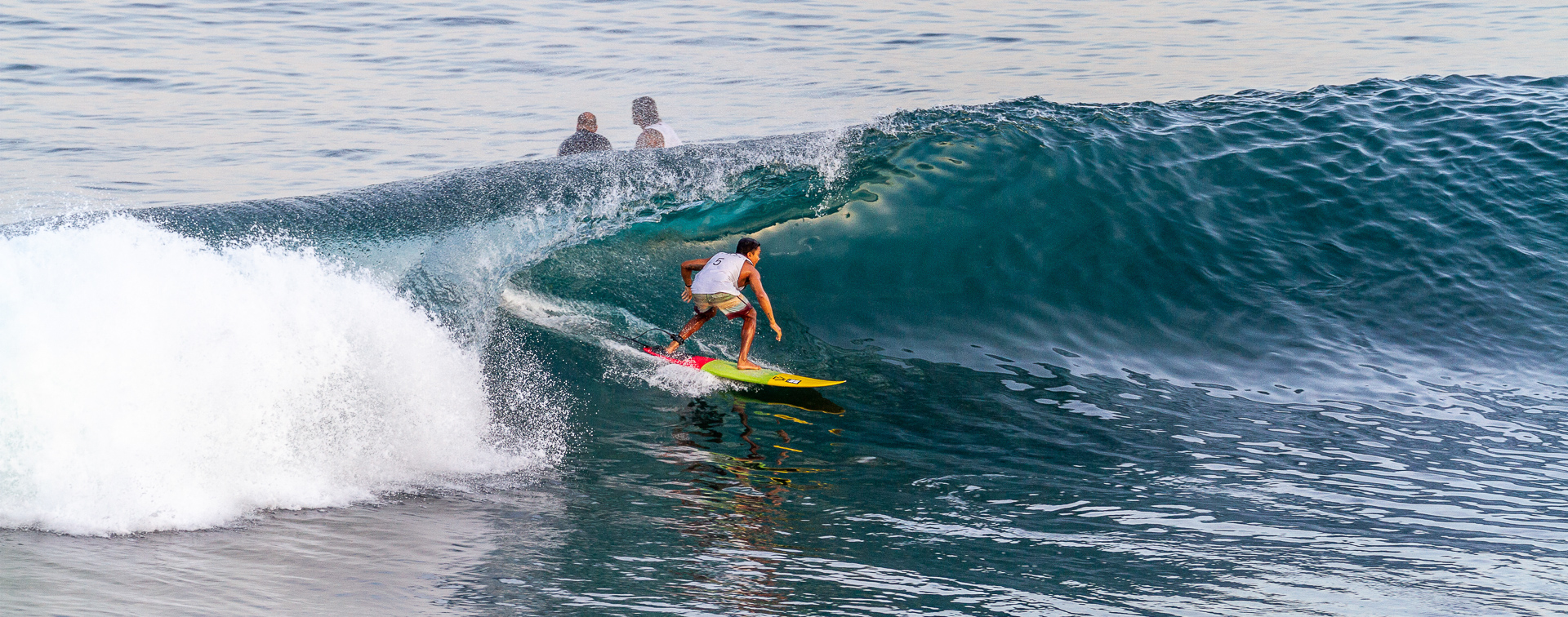
Essential Tips for Surfing in Bali
Mastering surfing Bali requires more than wave knowledge – it’s about harmony with the elements and community. Prioritize reef-safe sunscreen and booties to protect skin and corals. Etiquette reigns: Yield to locals, don’t snake waves, and smile through wipeouts. For gear, Canggu’s shops offer rentals; test before committing. Most beaches also have convenient board rental options, making it easy to get started without bringing your own equipment. Health-wise, stay hydrated – Bali’s sun bites – and consider insurance for reef cuts.
If you’re new or want to improve, enrolling in a surf school is a great way to build surfing skills at any level, thanks to structured lessons and professional instructors. In 2025, with sustainability pushes, opt for eco-camps teaching ocean stewardship. My mantra: Surf early, rest midday, explore evenings for balanced bliss.
On a related note, weather details is worth a few minutes. It picks up where this leaves off and goes deeper on something most travellers in this space end up needing to know sooner or later. Easier to read it now than to go searching for it when the question comes up later.
Don’t miss the chance to visit Bali for an unforgettable surfing experience.
Best Seasons for Surfing in Bali
Dry season (April-October) brings consistent southwest swells for Bukit breaks, with the west coast—especially spots like Uluwatu and Canggu—becoming prime for surf during this period. Wet season (November-March) favors east coasts like Keramas with cleaner conditions, and you'll find fewer tourists and less crowded lineups. Intermediates, target shoulders for milder waves; more experienced surfers often seek out the biggest swells during the peak season, while advanced, chase winter monsters. Check forecasts daily; apps guide your hunts.
In wrapping, surfing in Bali beyond basics unlocks waves that challenge and inspire. Paddle out with respect, and let the ocean weave its spell.
Before you take off make sure to check with local government of the travel status.
FAQ: Surfing in Bali
What are the best advanced surfing spots in Bali?
Uluwatu for powerful reefs, Padang Padang for barrels, Canggu for versatile beach breaks, Keramas for rights, and Medewi for long lefts.
Is surfing in Bali suitable for intermediate surfers?
Yes, spots like Canggu's Batu Bolong and Medewi offer forgiving sections for progression, with challenges to build skills.
When is the best time for surfing Bali?
Dry season (April-October) for consistent swells in the south; wet season (November-March) for east coast spots with fewer crowds.
What safety tips should I follow for surfing in Bali?
Wear booties on reefs, respect local etiquette, check tides, and use guides for unfamiliar breaks to avoid currents and crowds.
How can I prepare for a surfing trip to Bali?
Rent gear locally, book eco-camps, use forecast apps, pack reef-safe sunscreen, and learn basic Bahasa for lineup chats
