





Can a Canadian Permanent Resident Travel to USA? Entry Requirements Explained
Wright VacayCan a Canadian permanent resident travel to the USA? Yes, but a visa is required. In this article, we will explore the question: “Can a Canadian permanent resident travel to USA?” and cover the necessary documents, visa process, and tips for a smooth journey.
Key Takeaways
- Canadian permanent residents require a B-2 visitor visa to enter the USA, unlike Canadian citizens who do not need a visa for short visits.
- Essential documentation for entry includes a valid passport and proof of permanent residency, such as a PR Card, to avoid delays at the border.
- Thorough preparation for the visa interview, including required documents and evidence of ties to Canada, is crucial for a successful application.
Understanding Travel Eligibility
Canadian permanent residents traveling to the United States need to be aware of the specific entry requirements. Unlike Canadian citizens, permanent residents require a visa to enter the USA. This distinction is crucial as it determines the steps you need to follow before embarking on your journey.
The B-2 visitor visa is the most common for Canadian permanent residents and canadian visitors traveling to the USA for tourism. It’s meant for temporary visits for leisure, vacation, or visiting friends and family. Apply well in advance of your travel dates to ensure all requirements are met.
Dual nationality holders might face legal complexities, such as needing a U.S. passport to enter or leave the United States. Being aware of these nuances can help avoid complications and ensure smooth entry.
Before you go any further, take a few minutes to read visiting Canada. It's the bigger-picture read that frames everything else — the basics most people skim past, the assumptions that don't actually hold once you're on the ground, and the sequencing of choices that quietly shapes the rest of the trip. Treat it as the map; what follows here is one of the roads on it.
Required Documentation for Entry
To enter the United States, Canadian permanent residents need several critical documents, starting with a valid passport from their country of citizenship. This travel document must be current and unexpired.
You must also present proof of your lawful permanent resident status in Canada, such as a Permanent Resident Card (PR Card) or other official documentation. Having these documents readily available can prevent delays or issues at the border.
While Canadian citizens do not need a visa for short visits to the USA, permanent residents do. This distinction highlights the need for compliance with specific U.S. visa requirements.
Applying for a Visitor Visa
Applying for a visitor visa involves several steps and requires careful attention to detail. Canadian permanent residents must secure a non-immigrant B-2 visa. Begin by gathering necessary documents, such as a valid passport and a completed application form.
You will need to pay a non-refundable visa application fee when submitting your application. The fee amount can vary, so check with the U.S. embassy or consulate for the current rate. Additionally, applicants over 16 years old may be required to provide a valid police certificate, depending on their residence history.
One you might want to come back to later is Is Punta Cana Expensive? Unveiling the Truth. It's not the obvious next step, but plenty of travellers reading this kind of guide end up needing it within a week or two — usually right when they're booking flights or actually packing the bag. Skimming it now while the rest of this is fresh tends to be easier than going hunting later, and it'll save you the awkward moment of realising mid-trip that you should have thought about it earlier.
Undergo a medical examination conducted by a consulate-approved physician, and present the results during your visa interview. Ensure all non-English documents have certified translations to avoid processing delays.
If this has been useful, visiting Usa is probably the next one to bookmark. It stays in the same lane but goes harder on the practical side — what to actually do, in what order, and what tends to go sideways when travellers do it the obvious way. Reading them back to back gives you a clearer picture than either of them does alone.
Individuals with criminal records should note that certain offenses may lead to visa ineligibility. If you have concerns about your eligibility, consult immigration services for guidance before applying.
Scheduling Your Visa Interview
Scheduling your visa interview is crucial. Visa applicants generally attend an interview at the U.S. Embassy or Consulate in their home country. Apply well in advance of your travel dates, as processing times can vary.
Before the interview, ensure you have paid the required fees and gathered all necessary documents. During the interview, consular officers will assess your application and verify you meet visa requirements. Derivative applicants joining a principal applicant will have a separate interview.
Holders of the APEC Business Travelers Card may schedule an expedited visa interview, which is useful for short-notice travel. Always check with the embassy or consulate for specific instructions regarding your visa category.
Preparing for Your Visa Interview

Preparation is key to a successful visa interview. Bring original civil documents, as failing to do so can delay processing. Present both originals and photocopies of all required materials during the interview.
Two recent passport-sized photos are necessary for the visa application. You may need to provide proof of ties to Canada, such as employment or family connections, to demonstrate your intent to return. Financial support from another person can also be used as evidence.
Documents establishing eligibility for a visitor visa include evidence of employment, family ties, and financial support. Thorough preparation with all required documentation can ensure a smooth and successful visa interview.
Speaking of which — travelling in Usa is the natural next read after this one. It follows the same kind of thinking but tackles the bits this article doesn't have room to cover properly: the edge cases, the carrier-specific quirks, and the things you only really notice once you've actually been through the process yourself. Worth a few minutes if any of the above raised more questions than it answered.
Entering the United States
Upon arrival in the USA, travelers will undergo an inspection by Customs and Border Protection (CBP) officers, who will assess eligibility for entry and may ask about travel plans, citizenship, and the purpose of your visit.
The inspection process ensures compliance with U.S. laws and regulations and may include luggage inspections. Answer all questions truthfully and provide requested documentation to avoid issues at the border.
Knowing what to expect during the inspection can help you feel more confident and prepared. Keep travel documents and proof of permanent resident status easily accessible for border agents.
Thanks for visiting our blog, are you planing to travel to Spain? Check out our eSIM Spain & Sim Card Spain.
Extending Your Stay in the USA
To extend your stay in the USA, file Form I-539 with U.S. Citizenship and Immigration Services (USCIS) before your authorized stay expires. This form allows you to request an extension, and you must provide evidence of your intent to leave the U.S. at the end of your extended visit.
Depart the United States on time, as failing to do so can result in your visa becoming automatically void and may make you ineligible for future visas. Plan your stay carefully and adhere to the terms of your visa to avoid complications.
Changing Your Status
If your plans change while in the USA, you can request a change in your nonimmigrant status by submitting a request to USCIS before your authorized stay ends. Do not change activities in the U.S. until USCIS grants approval.
Speaking of which — travelling in Usa is the natural next read after this one. It follows the same kind of thinking but tackles the bits this article doesn't have room to cover properly: the edge cases, the carrier-specific quirks, and the things you only really notice once you've actually been through the process yourself. Worth a few minutes if any of the above raised more questions than it answered.
Canadian permanent residents can switch to a different nonimmigrant category without applying for a new visa if their purpose of visit changes while in the U.S. Some categories, like B-1, do not require an application to change status, simplifying the process.
Re-entering Canada
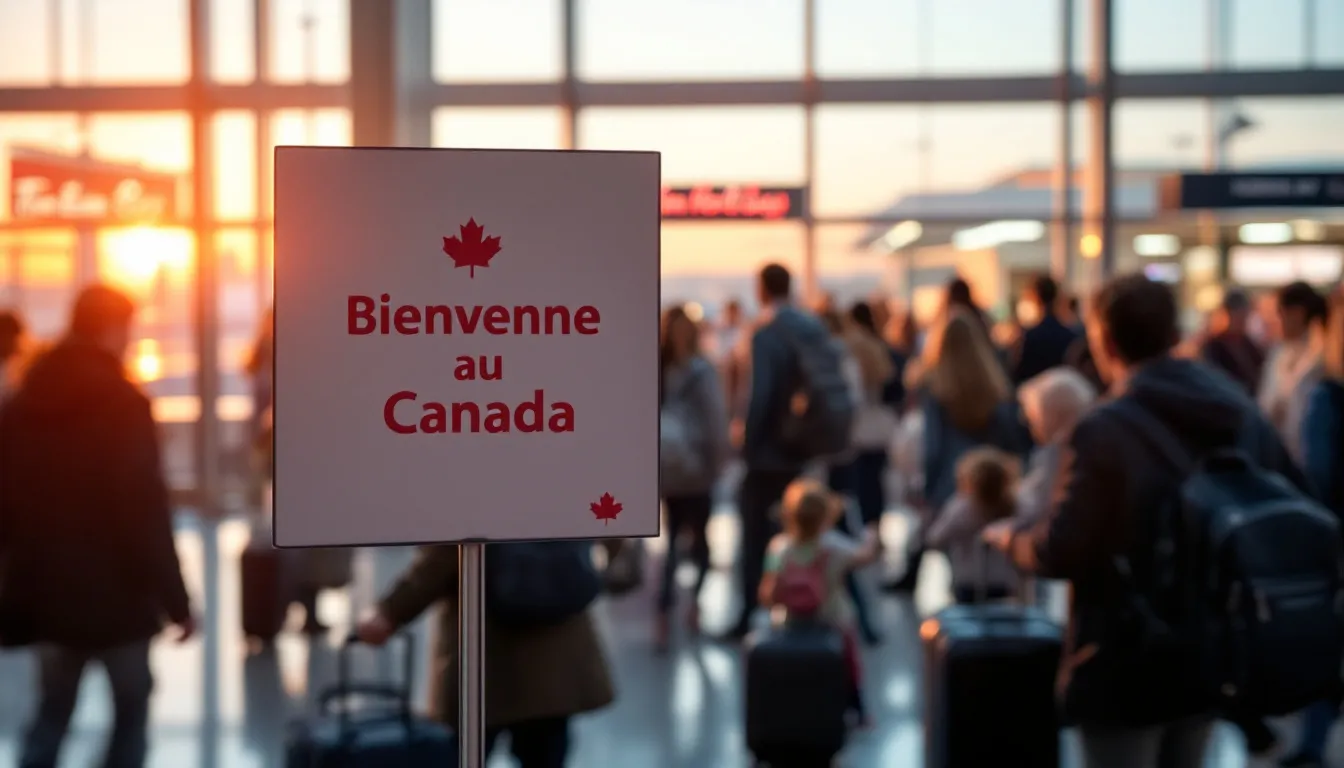
When re-entering Canada, Canadian permanent residents must present a valid Permanent Resident Card (PR Card) or a valid passport. To board a flight back to Canada, show a valid PR card or a Permanent Resident Travel Document (PRTD) if your PR card has expired.
Quick tangent worth flagging: if you haven't yet sorted out how you'll stay connected once you're actually on the ground, How Often Should a SIM Card Be Replaced is the rabbit hole. It explains the practical differences between physical SIMs, eSIMs, and roaming in language that doesn't assume you already know what an APN is, and includes the kind of small decisions — like activating before you land vs after — that quietly determine whether your first hour overseas is smooth or stressful.
If your PR card is lost, stolen, or damaged, apply for a replacement before returning to Canada. Ensuring your PR card is valid before international travel helps avoid issues re-entering Canada.
If your PR card is expired, applying for a PRTD allows you to re-enter Canada without complications. Always carry proof of your status as a Canadian permanent resident when traveling internationally.
Additional Considerations
Before traveling, consider potential issues with dual nationality, as some countries impose exit bans on dual nationals due to legal issues or disputes. Foreign local authorities may not recognize your U.S. citizenship if you do not enter on a U.S. passport.
Evaluate your medical treatment needs ahead of time, as healthcare access and quality vary across countries. Preparing for these considerations can help ensure a safe and enjoyable trip.
Whilst you're here — Essential Guide is the slight detour worth taking. It overlaps enough with this article that the context carries over, but it pulls in a few extra angles most travellers don't think to look for until they're already halfway through their trip. If you've got a few minutes spare, it'll save you from a couple of common mid-trip headaches.
Before you take off make sure to check with local government of the travel status.
Canadian permanent residents must navigate specific entry requirements to travel to the USA. From obtaining a visitor visa to preparing for your visa interview and ensuring all documentation is in order, each step is crucial for a smooth journey.
By understanding the process and preparing thoroughly, you can enjoy your visit to the United States with peace of mind. Safe travels!
Frequently Asked Questions
Do Canadian permanent residents need a visa to enter the USA?
Canadian permanent residents must obtain a visitor visa (B-2) to enter the USA.
What documents are required for Canadian permanent residents to enter the USA?
Canadian permanent residents must present a valid passport from their country of citizenship along with proof of their permanent resident status to enter the USA.
How do I apply for a visitor visa to the USA?
To apply for a visitor visa to the USA, you must complete the visa application form, possess a valid passport, pay the application fee, and undergo a medical examination. It is essential to ensure all documents are prepared thoroughly.
Can I extend my stay in the USA as a Canadian permanent resident?
Yes, as a Canadian permanent resident, you can extend your stay in the USA by filing Form I-539 with USCIS before your current authorization expires.
What should I do if my PR card is expired or lost while traveling?
If your PR card is expired or lost while traveling, you should apply for a Permanent Resident Travel Document (PRTD) to re-enter Canada. This will ensure you can return to the country without issue.
