



Jatiluwih Rice Terrace: Comprehensive Visitor’s Guide to Bali’s UNESCO Gem
Wright VacayAh, Jatiluwih Rice Terrace – that emerald jewel tucked into Bali’s volcanic embrace, where ancient farming wisdom meets breathtaking vistas that could make even the most jaded traveler pause mid-scroll. If you’re planning to visit Bali's must-see attractions, Jatiluwih Rice Terrace should be at the top of your list. As a wanderer who’s chased sunrises from the peaks of Patagonia to the dunes of Namibia, I’ve found few places that weave nature’s artistry with cultural depth quite like the Jatiluwih Rice Terraces. Far from the Instagram frenzy of Tegallalang, this UNESCO-listed wonder sprawls across 600 hectares of undulating fields, a vast area that showcases the impressive scale of Bali’s landscape and the importance of planning your visit accordingly. It is a living testament to Bali’s Subak irrigation system that’s sustained communities for centuries. If you’re plotting a visit to Jatiluwih Rice Terrace, envision stepping into a postcard where palm-fringed paths lead to panoramic views, and the air hums with the subtle symphony of flowing water and distant cowbells. In this guide, drawn from my own treks through its misty mornings and golden afternoons, I’ll equip you with actionable insights to make your journey seamless, sustainable, and soul-stirring. Whether you’re a solo hiker or a family explorer, here’s how to unlock the magic of Jatiluwih Rice Terraces without the crowds or clichés.
Table of Contents
- Introduction to Jatiluwih
- What Makes Jatiluwih Rice Terrace Special
- Best Time to Visit Jatiluwih Rice Terraces
- How to Get to Jatiluwih Rice Terrace
- Entrance Fees and Tickets for Jatiluwih Rice Terraces
- Parking at Jatiluwih Rice Terraces
- What to Do at Jatiluwih Rice Terraces
- Where to Eat and Stay Near Jatiluwih Rice Terraces
- Practical Tips for Your Visit to Jatiluwih Rice Terrace
- Is Jatiluwih Rice Terrace Worth Visiting?
- Other Sights to Visit Near Jatiluwih Rice Terraces
- FAQ: Common Questions About Jatiluwih Rice Terraces
Introduction to Jatiluwih
Tucked away in the heart of Central Bali, the Jatiluwih Rice Terraces are a living masterpiece that has earned its place as a UNESCO World Heritage Site. Here, the landscape unfolds in endless waves of vibrant green, with rice fields stretching across the horizon and inviting visitors to slow down and savor the moment. The name “Jatiluwih” translates to “true beauty,” and it’s easy to see why—every curve of the terraces reflects the harmony between nature and Balinese tradition. Whether you’re seeking a peaceful escape from the island’s busier corners or a chance to immerse yourself in Bali’s rich history, Jatiluwih Rice Terraces offer the perfect setting to explore at your own pace. Wander along the winding paths, breathe in the fresh mountain air, and let the natural beauty of this remarkable place leave a lasting impression.
Speaking of which — Bali Map: Your Ultimate Guide to the Island is the natural next read after this one. It follows the same kind of thinking but tackles the bits this article doesn't have room to cover properly: the edge cases, the carrier-specific quirks, and the things you only really notice once you've actually been through the process yourself. Worth a few minutes if any of the above raised more questions than it answered.
What Makes Jatiluwih Rice Terrace Special
Nestled in the Tabanan Regency, about 50 kilometers north of Denpasar, Jatiluwih Rice Terrace stands as a beacon of Bali’s agricultural heritage, earning its UNESCO World Heritage status in 2012 for embodying the island’s harmonious blend of spirituality, community, and ecology. Unlike more commercialized spots, the Jatiluwih Rice Terraces feel authentically lived-in, with local farmers working in the fields and tending plots that cascade down Mount Batukaru’s slopes like nature’s own staircase. The Subak system, a cooperative water management practice dating back over a thousand years and rooted in Balinese philosophy, ensures equitable distribution among villagers and highlights the vital role of farming communities in maintaining the terraces, turning what could be mere fields into a philosophical landscape where water temples dot the horizon and offerings grace the paddies.
Jatiluwih offers unique experiences, natural beauty, and authenticity that set it apart from other destinations. What truly elevates Jatiluwih Rice Terrace is its scale and serenity – vast enough to lose yourself in, yet intimate in its details, from the iridescent dragonflies skimming irrigation channels to the rhythmic planting rituals that unfold like a ballet. Situated at over 700 meters above sea level, the terraces enjoy cooler temperatures, especially in the early morning, enhancing the visitor experience. As someone who’s lingered here during harvest seasons, I can attest that the site’s allure lies in its timelessness; it’s not just a photo op, but a portal to understanding Bali’s soul. For eco-conscious travelers, the terraces promote sustainable tourism, with proceeds from visits funding community projects. If you’re seeking respite from Bali’s bustling south, Jatiluwih Rice Terraces offer a refreshing counterpoint as an off-the-beaten path destination, where the only rush is the gentle flow of water through ancient aqueducts. As a tourist attraction with both cultural and natural significance, Jatiluwih is a must-visit for those seeking an authentic Balinese experience.
Best Time to Visit Jatiluwih Rice Terraces
Timing your trip to Jatiluwih Rice Terrace can transform a good visit into an unforgettable one, especially considering Bali’s tropical whims. From my multiple sojourns, I’ve learned that the dry season from April to October brings the clearest skies and most vibrant greens, with June to August peaking in popularity – though even then, Jatiluwih remains less crowded than Ubud’s equivalents. For 2025 travelers, aim for March or April when the rice plants are at their lushest post-rainy season, offering that postcard-perfect emerald glow without the monsoon interruptions. Early mornings and the early morning hours are especially tranquil, with mist veiling the valleys, cooler temperatures, and soft light illuminating the terraces—perfect for photography and peaceful walks. Visiting during these times lets you enjoy the scenery before the midday heat and crowds arrive. Late afternoons also offer stunning golden hour views, with a warm glow and serene atmosphere ideal for sightseeing and capturing beautiful photos.
Whilst we're on the topic, Bali holiday guide is worth opening in a second tab. It picks up where this piece leaves off and goes a layer deeper on the same theme — same kind of travellers, similar questions, just a slightly different angle. If you came to this article looking for one specific answer and ended up with three more questions, that next read tends to be where most of them get resolved without sending you on a chase through unrelated material.
Avoid the wetter months from November to March unless you’re equipped for sudden showers; while the landscapes turn even more verdant, paths can slicken, and views might obscure under clouds. Bali's weather can be unpredictable, so check local forecasts before your visit. If you’re a photographer or hiker, sunrise visits around 6 AM yield ethereal fog and fewer fellow explorers, and planning your trip to avoid peak hours will enhance your experience. Actionable insight: Check local weather apps like BMKG a day prior, and plan for early arrivals – I once beat a tour bus by mere minutes, claiming a viewpoint all to myself for that golden hour shot. Regardless of season, Jatiluwih Rice Terraces reward those who align with nature’s rhythm, turning potential downpours into dramatic backdrops.
How to Get to Jatiluwih Rice Terrace
Reaching Jatiluwih Rice Terrace is an adventure in itself, weaving through Bali’s rural heartland where scooters zip past roadside warungs and monkeys eye your snacks from temple walls. From Ngurah Rai International Airport or southern hotspots like Seminyak, the drive clocks about two hours, snaking north via the Denpasar-Tabanan route before climbing into cooler highlands. Renting a car, booking a private car, or arranging a car rental offers flexibility – I favor scooters for the wind-in-hair freedom, but scooter rental is also widely available (just remember you’ll need an international driving permit). If Bali’s traffic daunts you, hiring a private driver is a comfortable and flexible option; services like Gojek or private hires cost around 500,000 IDR for a round trip from Ubud, which is just an hour away.
Public transport is sparse, so tours from Ubud or Kuta bundle Jatiluwih with nearby gems like Batukaru Temple, making logistics effortless for first-timers. Many travelers book a day trip with a private driver to efficiently visit multiple sights in one go. If self-driving, plug “Jatiluwih Rice Terraces” into Google Maps, but brace for winding roads and occasional potholes – pack motion sickness remedies if prone. Once there, parking is ample and free near the main entrance. My pro tip: Combine your visit with a loop through Bedugul’s lakes for a full-day escapade, maximizing your journey’s value. Whether by wheel or guided van, arriving at Jatiluwih Rice Terrace feels like unveiling a hidden chapter of Bali’s storybook landscape.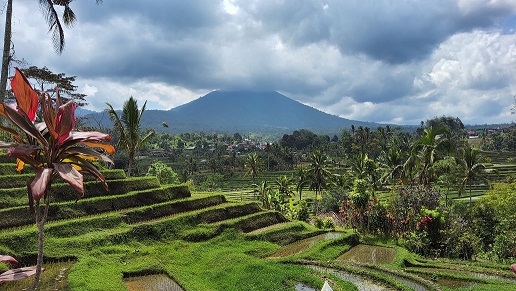
Entrance Fees and Tickets for Jatiluwih Rice Terraces
No paradise comes without a toll, and Jatiluwih Rice Terrace is no exception, with fees supporting local conservation and infrastructure. As of 2025, expect to pay around 50,000 to 75,000 IDR per adult – variations stem from updates, but it’s roughly 3-5 USD, a steal for such splendor. The Jatiluwih entrance fee is paid at the entrance booth, with cash preferred, though some spots accept cards; this fee covers access to trails, viewpoints, and basic facilities like restrooms. Children often enter for less, around 40,000 IDR, and locals pay a fraction.
If this has been useful, Discover Tegalalang and Jatiluwih is probably the next one to bookmark. It stays in the same lane but goes harder on the practical side — what to actually do, in what order, and what tends to go sideways when travellers do it the obvious way. Reading them back to back gives you a clearer picture than either of them does alone.
For a deeper dive, Jatiluwih tours are available, with guided tours adding 100,000-200,000 IDR and including insights into Subak practices – worth it if history intrigues you. No advance booking needed unless in a large group, but arrive early to avoid queues. Actionable advice: Bring exact change to speed entry, and inquire about combo tickets if pairing with nearby sites. In my experience, the modest fee fades from memory amid the terraces’ timeless beauty, a small investment in preserving this cultural canvas.
Parking at Jatiluwih Rice Terraces
Arriving at the Jatiluwih Rice Terraces is refreshingly hassle-free, thanks to the well-organized parking facilities right near the entrance. Whether you’re coming by scooter or car, you’ll find ample space to leave your vehicle securely while you set off to explore the rice terraces. Parking fees are minimal—typically 3,000 to 5,000 IDR for scooters and 5,000 IDR for cars—making it easy to focus on the adventure ahead without worrying about logistics. The parking area is well-maintained, so you can enjoy your visit to the Jatiluwih rice fields with peace of mind, knowing your vehicle is safe as you soak in the scenery.
What to Do at Jatiluwih Rice Terraces
The Jatiluwih Rice Terraces beckon with activities that blend adventure, culture, and contemplation, far beyond passive gazing. For a more authentic experience, explore Jatiluwih and discover the peaceful, scenic beauty of visiting Jatiluwih Rice Terraces. Even if you have only a few hours, you can enjoy a meaningful visit.
Tangentially useful: Bali Travel Tips: Your Ultimate Guide to Paradise sits just to the side of what we've covered here, and it answers a question that comes up almost every time someone's wrestling with this topic in earnest. It's not core reading, but it's the kind of thing that's much easier to know in advance than to figure out at a kiosk in a foreign airport with your phone refusing to cooperate.
Start with the walking trails – a network of marked paths ranging from easy 30-minute loops to multi-hour treks that meander through lush rice paddies, offering close-ups of farmers at work, hidden gems, and bamboo bridges that add to the immersive experience. Along the way, you'll find scenic viewpoints perfect for photos and quiet reflection. The red line, about 1.5 to 2 kilometers, is my favorite for its balance of views and accessibility, winding past coconut groves with Mount Batukaru looming like a silent guardian.
Hiking and Trails at Jatiluwih Rice Terrace
Delve deeper via marked trails color-coded for difficulty: Green for beginners, yellow for moderate explorers, and red for those craving immersion. The blue line offers a scenic 3.1 km route, taking about 1.5 to 2 hours, perfect for those seeking a moderate trek with beautiful views. The purple line is a medium-length, immersive trail ideal for visitors wanting a deeper experience of the terraces. For serious hikers or cyclists, the white line is the longest and most challenging trail, passing through jungle and scenic areas. Wear sturdy shoes – paths can mud up after rain – and carry water, as the elevation brings a refreshing chill. I’ve hiked at dawn, spotting rare birds and feeling the earth’s pulse through the irrigation flows. For families, shorter paths near the entrance provide ample wonder without strain.
Thanks for visiting our blog, are you planing to travel to Bali? Check out our eSIM Bali.

Photography Tips for Jatiluwih Rice Terraces
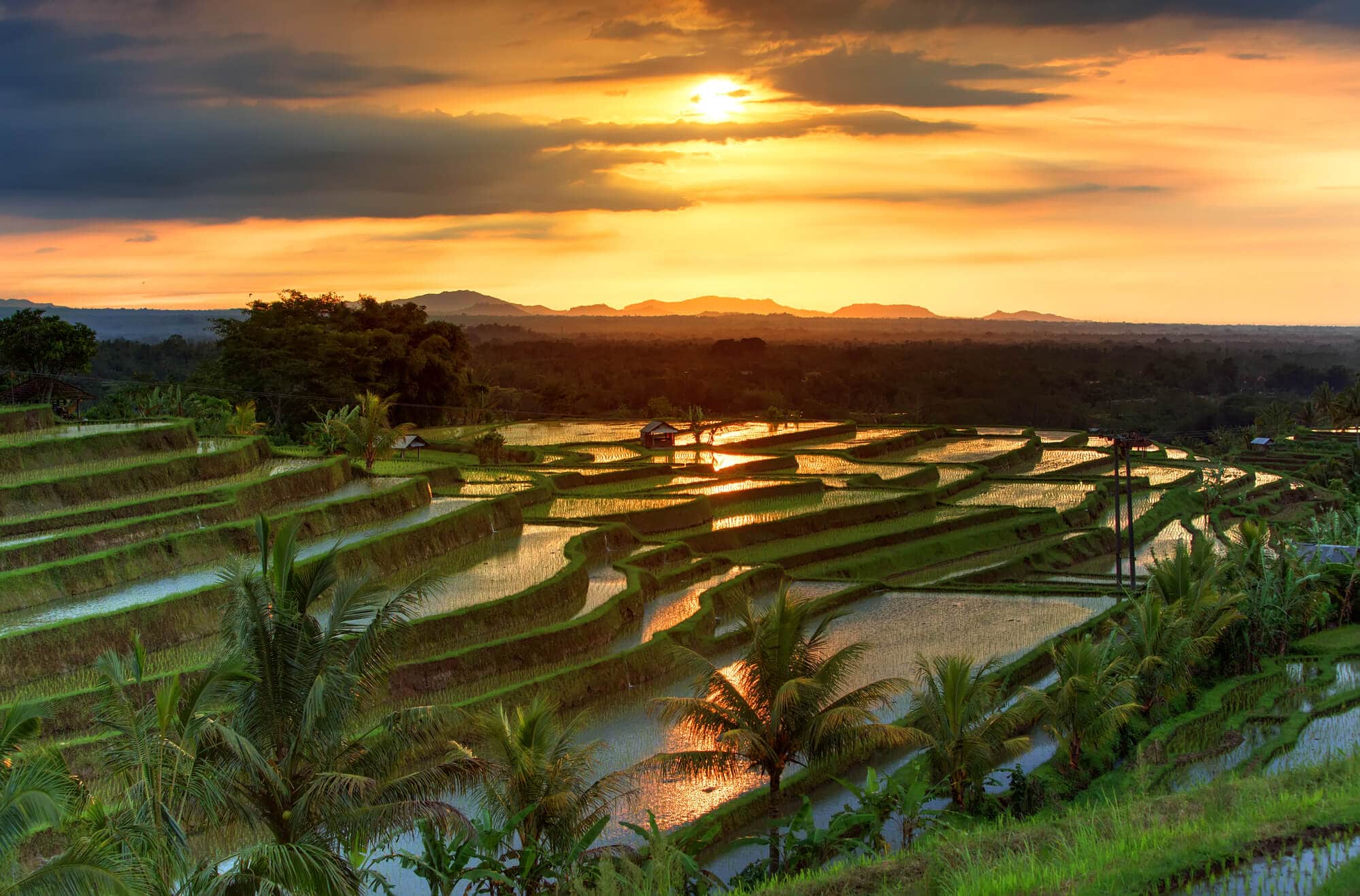
Photographers, rejoice: Jatiluwih Rice Terrace is a lensman's dream, with layers of green reflecting skies in watery mirrors. Golden hour at sunrise or sunset bathes the fields in ethereal light – aim for viewpoints like Pura Luhur Bhujangga Waisnawa for panoramic shots. Use a wide-angle lens to capture the expanse, and drones are permitted with permits, but respect privacy. My secret: Venture off main paths for unique angles, like framing a lone hut against the terraces' curves.
One you might want to come back to later is exploring Bali. It's not the obvious next step, but plenty of travellers reading this kind of guide end up needing it within a week or two — usually right when they're booking flights or actually packing the bag. Skimming it now while the rest of this is fresh tends to be easier than going hunting later, and it'll save you the awkward moment of realising mid-trip that you should have thought about it earlier.
Cultural Experiences in Jatiluwih Rice Terrace
Immerse in Balinese life through homestay interactions or Subak demonstrations, where locals explain the tri-hita-karana philosophy balancing humans, nature, and gods. Join a rice-planting session if timed right – muddy but memorable – or visit during harvest festivals for vibrant ceremonies. These encounters, often arranged at the visitor center, enrich your visit beyond scenery.
Where to Eat and Stay Near Jatiluwih Rice Terraces
Sustain your explorations with local flavors at eateries dotting Jatiluwih Rice Terrace. Warungs like Terrace Paddy Cafe serve nasi campur amid views, blending fresh veggies with spicy sambal for under 50,000 IDR. Gong Jatiluwih, a recommended restaurant near the entrance, offers a relaxing atmosphere and scenic views of the rice fields, making it a popular choice for visitors. Local families often enjoy the site and its eateries, adding to the authentic community atmosphere.
For stays, eco-lodges like Desa Wisata Jatiluwih offer simple rooms starting at 300,000 IDR nightly, immersing you in village life. Venture to nearby Penebel for more options, like boutique villas with infinity pools overlooking terraces. My recommendation: Picnic with market-bought fruits for an al fresco feast, enhancing the site’s tranquility.
One more thing whilst you're thinking about all this — eSIM information. Travellers tend to focus on the trip and forget about the connectivity bit until they're already in the taxi rank with no data. It's a five-minute read that pays for itself the moment you skip the airport SIM queue and walk straight out with your phone already online. Easier to set up before you fly than after.
Practical Tips for Your Visit to Jatiluwih Rice Terrace
Pack light layers for variable weather, sunscreen, and insect repellent – Bali's bugs love the humidity. Respect etiquette: Stick to paths to avoid damaging crops, and ask before photographing people. Sustainable practices matter; carry a reusable bottle and leave no trace. If driving, fuel up in Tabanan, as stations are scarce. For 2025, note potential eco-fees; stay updated via official channels. Ultimately, Jatiluwih Rice Terraces thrive on mindful visitors – your presence can preserve this paradise.
In closing, Jatiluwih Rice Terrace isn't just a destination; it's a dialogue with nature's ingenuity. Venture forth, and let its terraces etch themselves into your traveler's heart.
Is Jatiluwih Rice Terrace Worth Visiting?
If you’re wondering whether Jatiluwih Rice Terrace deserves a spot on your Bali itinerary, the answer is a resounding yes. This hidden gem stands out for its breathtaking natural beauty, tranquil atmosphere, and deep connection to Balinese culture. Unlike more crowded tourist spots, the rice terraces here offer a sense of serenity that invites reflection and relaxation. As you wander through the rice fields, you’ll witness the ancient irrigation system—an ingenious feat of engineering that has sustained local communities for generations. Beyond the stunning vistas, visiting Jatiluwih is a chance to experience authentic Balinese life, from observing traditional farming practices to respecting local customs that are still very much alive. With its rich history, peaceful atmosphere, and the gentle rhythm of daily life, Jatiluwih Rice Terrace is a must-visit for anyone seeking a meaningful and memorable Bali experience.
On a related note, Bali weather guide is worth a few minutes. It picks up where this leaves off and goes deeper on something most travellers in this space end up needing to know sooner or later. Easier to read it now than to go searching for it when the question comes up later.
Other Sights to Visit Near Jatiluwih Rice Terraces
Jatiluwih Rice Terraces are just the beginning of what Central Bali has to offer. Nearby, you can marvel at the iconic Tegalalang Rice Terraces, famous for their dramatic landscapes and vibrant green hues. For those craving a touch of adventure, Yeh Hoo Waterfall is a short drive away, offering a refreshing escape surrounded by lush jungle. The majestic Ulun Danu Beratan Temple, perched on the shores of Lake Beratan, is another must-see, blending spiritual significance with stunning mountain views. The surrounding landscape is dotted with small villages and framed by the imposing presence of Mount Batukaru, providing endless opportunities to explore Bali’s rich history and cultural significance. Whether you’re interested in natural beauty, traditional architecture, or simply soaking up the peaceful atmosphere, the area around Jatiluwih Rice Terraces is filled with other sights that promise to enrich your journey.
Before you take off make sure to check with local government of the travel status.
FAQ: Common Questions About Jatiluwih Rice Terraces
What is the best time to visit Jatiluwih Rice Terrace?
March and April offer lush greenery post-rainy season with clearer skies, though dry months from April to October are ideal for hiking.
How much is the entrance fee for Jatiluwih Rice Terraces?
As of 2025, fees range from 50,000 to 75,000 IDR per adult, with discounts for children.
How do I get to Jatiluwih Rice Terrace from Ubud?
It's about an hour's drive north; hire a driver or scooter for flexibility, or join a tour combining it with nearby attractions.
What activities can I do at Jatiluwih Rice Terraces?
Hike color-coded trails, photograph panoramic views, or join cultural experiences like rice-planting demonstrations.
Are there places to eat near Jatiluwih Rice Terrace?
Yes, local warungs offer affordable Balinese meals with terrace views; pack a picnic for a more immersive experience.
Is Jatiluwih Rice Terrace suitable for families?
Absolutely – shorter trails and cultural insights make it engaging for all ages, though prepare for uneven paths.
